Athletes are rational people.
We study technique.
We analyse performance.
We collect data.
We adjust the smallest details with almost scientific precision.
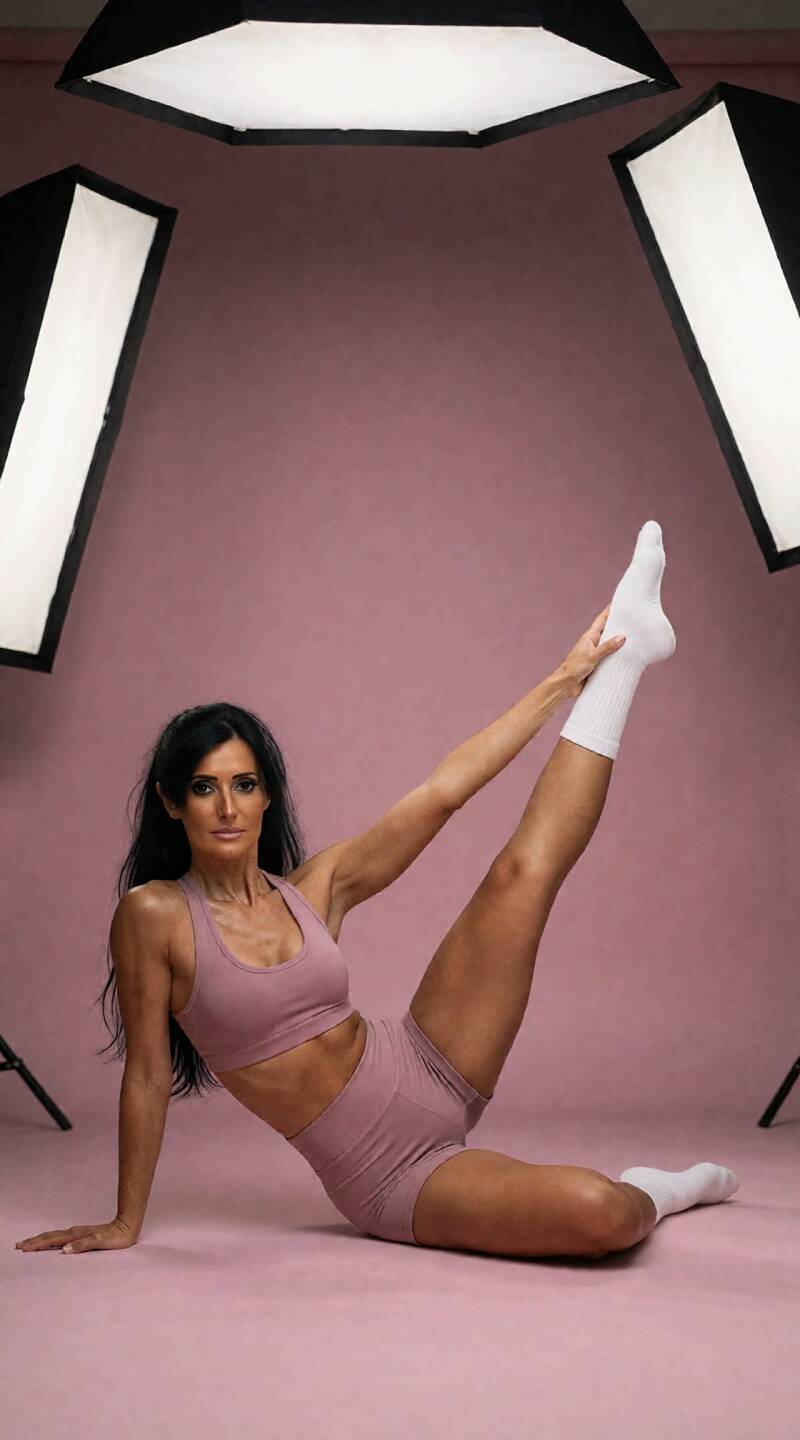
And then we refuse to compete without one particular pair of socks.
Not because we believe the socks have special powers.
Obviously.
They have simply been present during several good performances, survived two important victories and, at this point, removing them from the process would feel unnecessarily provocative.
Sport is full of these tiny private agreements with the universe.
The same playlist before training.
The same side used to enter the arena.
Gloves fastened in the same order.
Coffee from the same cup.
A final check that was already completed three checks ago.
From the outside, some of it looks ridiculous.
From the inside, it makes perfect sense.
Competition asks us to enter a situation whose outcome we cannot fully control. We can prepare brilliantly and still meet an unexpected problem. We can feel perfect in the morning and completely different ten minutes before starting. Another athlete can be better. The weather can change. Equipment can object. A horse can develop a sudden and passionate interest in something that did not exist yesterday.
So we create rituals.
Not to control the result, but to make the entrance into uncertainty feel familiar.
That distinction matters.
A ritual does not perform for us. It does not replace preparation, judgment or skill. The lucky jacket has never corrected a technical mistake. The special playlist has never completed the final kilometre. The socks, despite their impressive career, remain professionally unqualified.
But familiar actions can tell the body something useful: We have been here before.
They create a small bridge between preparation and performance. A sequence we recognise while everything ahead of us remains unwritten.
Perhaps that is why athletes can be extraordinarily flexible about enormous things and wonderfully unreasonable about tiny ones.
Change the programme? We adapt.
Change the weather? Fine.
Change the entire competitive strategy at the last moment? If necessary.
But suggest wearing the other gloves?
Let’s not make reckless decisions. 😂
The interesting thing is that rituals exist far beyond sport.
The speaker who always places a glass of water in exactly the same position. The executive who uses the same notebook for important meetings. The performer who touches the curtain before stepping onto the stage. The person who reads a message one final time—even though no word has changed during the previous four readings.
We smile at these behaviours because they reveal something deeply human.
We know that we cannot command reality.
But we still like to greet it properly.
There is nothing weak or irrational about having a familiar starting point. The problem begins only when we confuse the ritual with the reason we are ready.
Confidence cannot live permanently inside an object. Eventually, we need to know that if the cup breaks, the playlist disappears or the famous socks fail to emerge from the washing machine, we have not lost the ability that created the previous results.
The ritual may help us arrive.
But we are still the ones who have to perform.
So no, it is not really about the socks.
We know that.
But after everything they have been through with us, changing them now would simply be disrespectful.
Silvia
Add comment
Comments